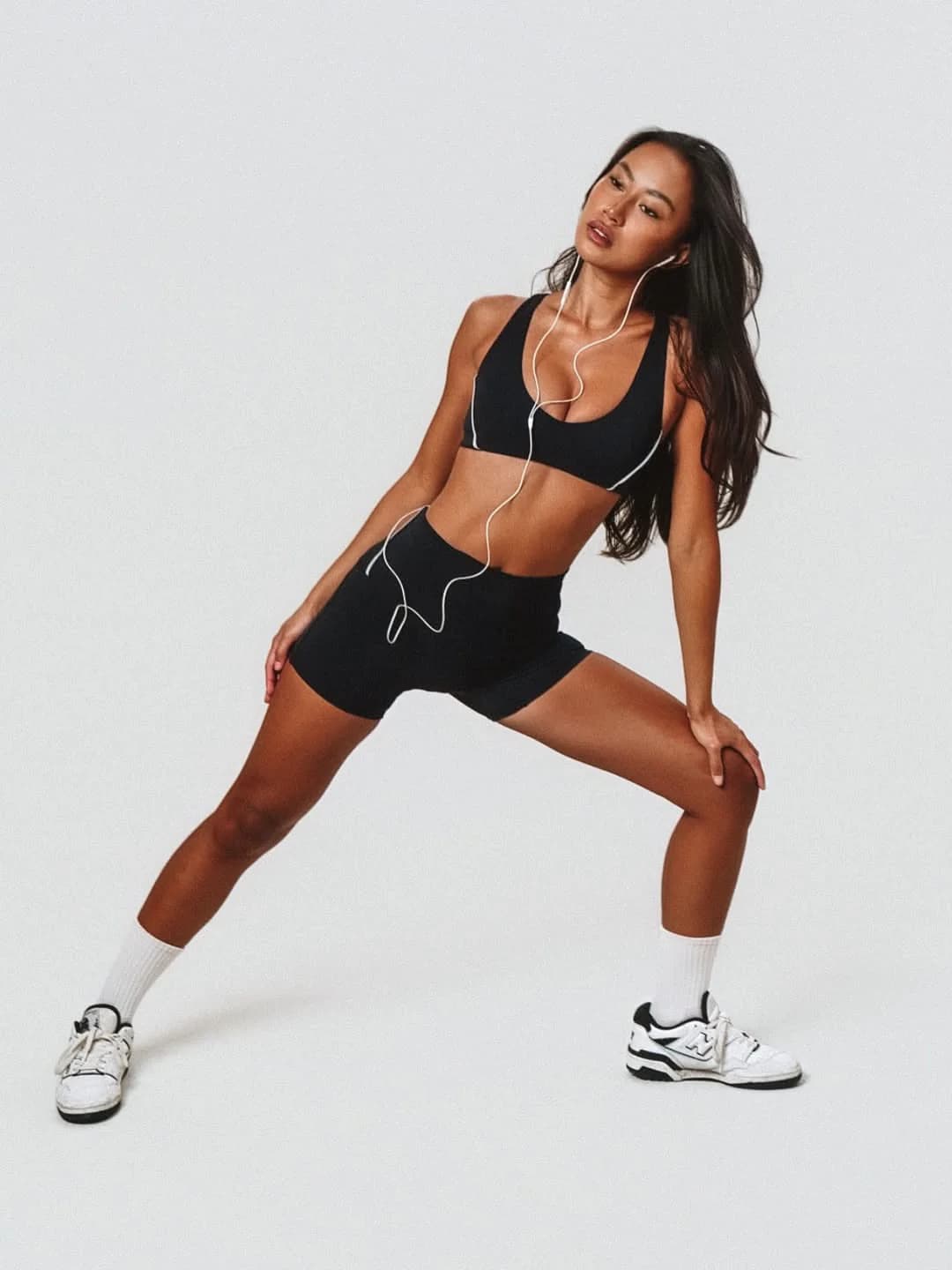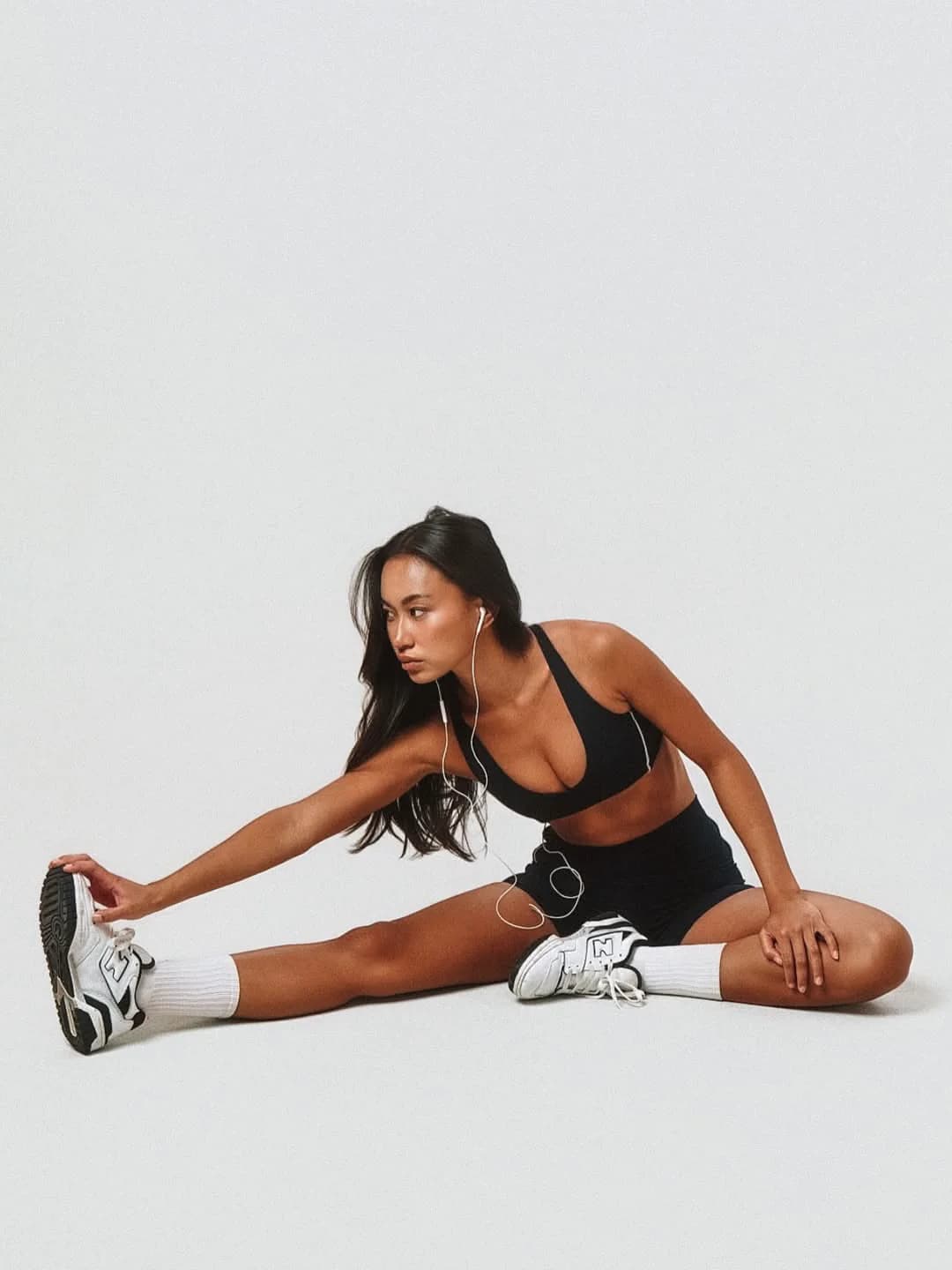
Both build strength, flexibility, and calm — but they get there differently. A practical comparison to help you choose your practice in Rabat.
The short answer: Pilates is a precision strength system focused on core control, alignment, and progressive resistance; yoga is a broader mind-body practice built around postures, breath, and stillness. Pilates tends to suit people with posture goals, back issues, or a desire for measurable physical progression; yoga suits those prioritising flexibility, stress relief, and a meditative dimension.
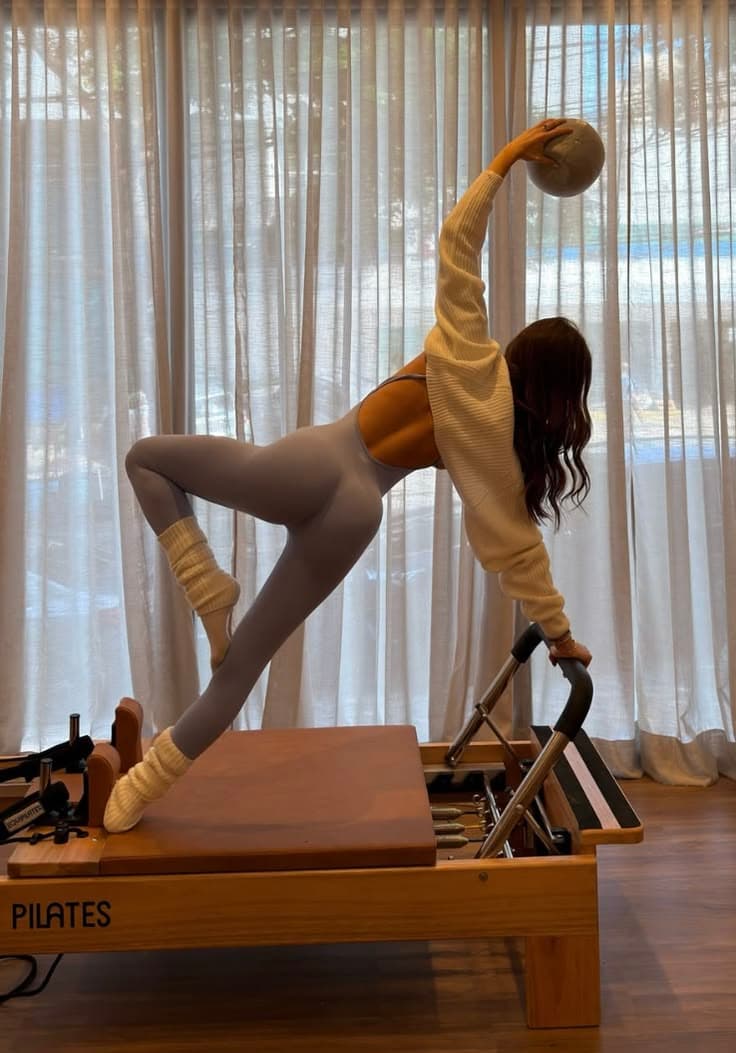
Pilates was designed by Joseph Pilates as a rehabilitation and conditioning method. Every exercise has a set-up, a breath pattern, and a target — deep abdominals, spinal articulation, pelvic stability. On the Reformer, spring resistance adds load without impact, which is why physiotherapists so often recommend it for back pain and postural correction.
Yoga's strengths are different: longer holds develop passive flexibility, the practice cultivates breath awareness and calm, and styles range from athletic (vinyasa) to restorative. What yoga does not offer is systematic, adjustable resistance — progression relies on more demanding postures rather than measured load.
In practice, many people combine both. But if you have to choose one for posture, core strength, or a safe return to exercise, Pilates gives you a more structured path — especially in small classes where an instructor corrects your form every session.
At Define Pilates in Hay Riad, Rabat, classes are capped so alignment is checked constantly — the part of Pilates that simply cannot be learned from videos. If you're weighing the two, come try a Mat class (180 MAD, first session -30%) and feel the difference in how your body is coached.
✳Written at the studio, Hay RiadUpdated Jul 21, 2026